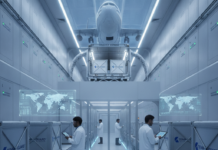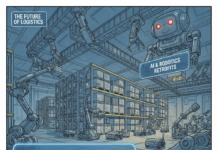
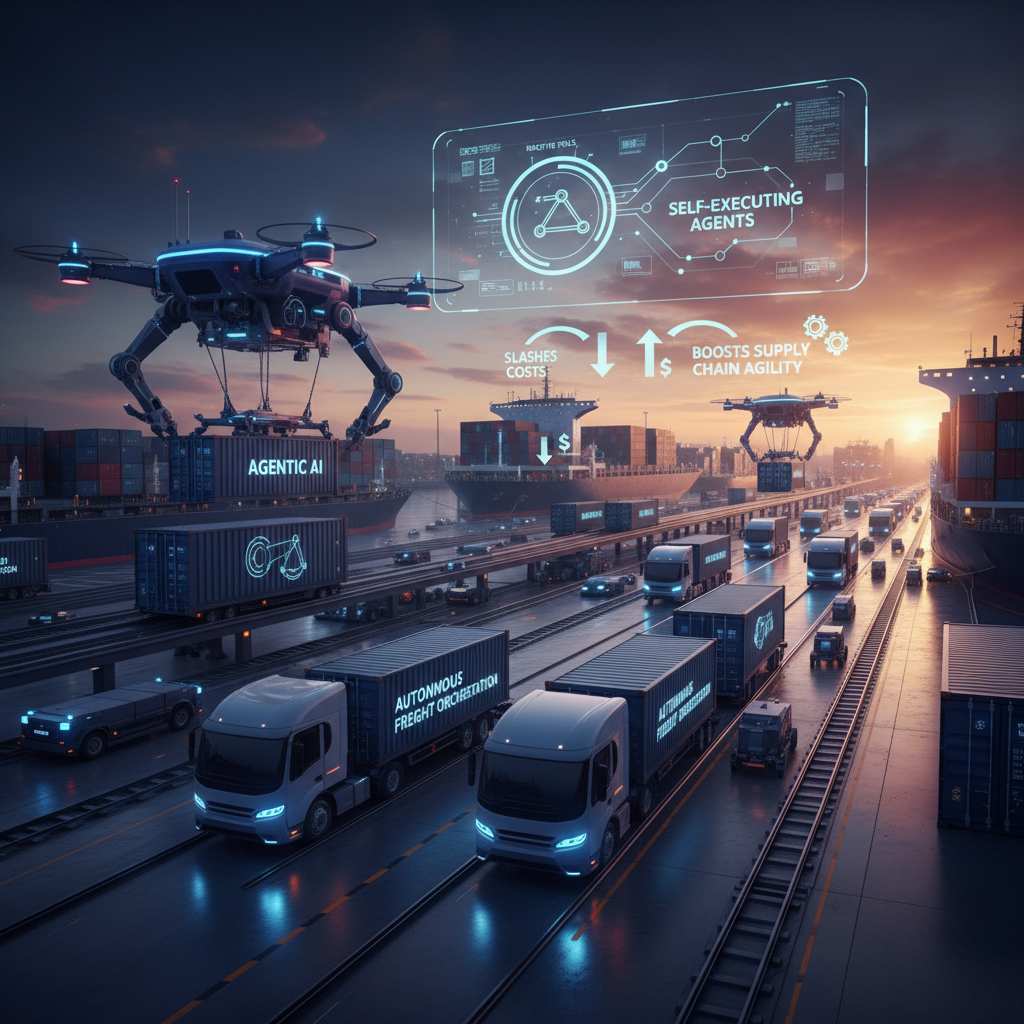
For logistics professionals, the era of reactive supply chain management is rapidly ending. In 2026, Agentic AI autonomous freight orchestration has emerged as the central brain of global trade, transforming how freight is tendered, routed, and managed. Unlike traditional predictive models that merely flag delays, agentic systems are self-executing. They autonomously negotiate spot market rates, reroute trucks during severe weather, and process complex customs documentation without human intervention.
The financial and operational impacts of this shift are staggering. Recent industry data reveals exactly why logistics leaders are pivoting aggressively:
- The Agentic AI in the supply chain and logistics market size is estimated at $8.67 billion in 2025, surging toward $16.84 billion by 2030.
- Logistics networks deploying autonomous agents report average transport cost reductions of 8% to 15% and inventory reductions exceeding 20%.
- Gartner projects that by 2030, half of all cross-functional supply chain solutions will rely on intelligent agents to automate critical ecosystem decisions.
Agentic AI autonomous freight orchestration is also solving the complex equation of sustainable shipping. Traditional platforms optimize solely for time and cost, treating emissions as an afterthought. Today’s autonomous agents dynamically rebalance carrier allocations and route profiles to minimize fuel consumption and carbon footprints while maintaining strict service level agreements. While human expertise remains essential for high-level strategy, the day-to-day tactical execution is now governed by intelligent orchestration. As adoption accelerates, companies that fail to integrate agentic ecosystems risk structural disadvantages in an increasingly volatile freight market.
References
- https://asappstudio.com
- https://theagentics.co
- https://aimonk.com
- https://sprinklr.com
- https://datamatics.com
- https://mordorintelligence.com