The Rise of a Multi-Origin Logistics Network
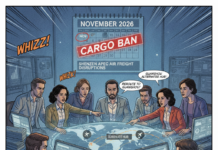
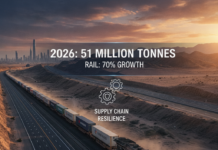
The global logistics landscape is undergoing a structural transformation, with Southeast Asian air cargo growth rapidly becoming the engine of international trade. According to DHL market updates from late 2026, Asia outbound air cargo volumes surged by 10%, cementing the region’s pivotal role in global supply chains. This acceleration is heavily driven by manufacturers diversifying their production bases away from a single dominant corridor, establishing new logistics centers of gravity in countries like Vietnam, Thailand, and Indonesia. This geographic distribution has successfully reshaped the Asian air cargo sector into a highly resilient, multi-origin networked system.
E-Commerce Expansion and Shifting Trade Dynamics
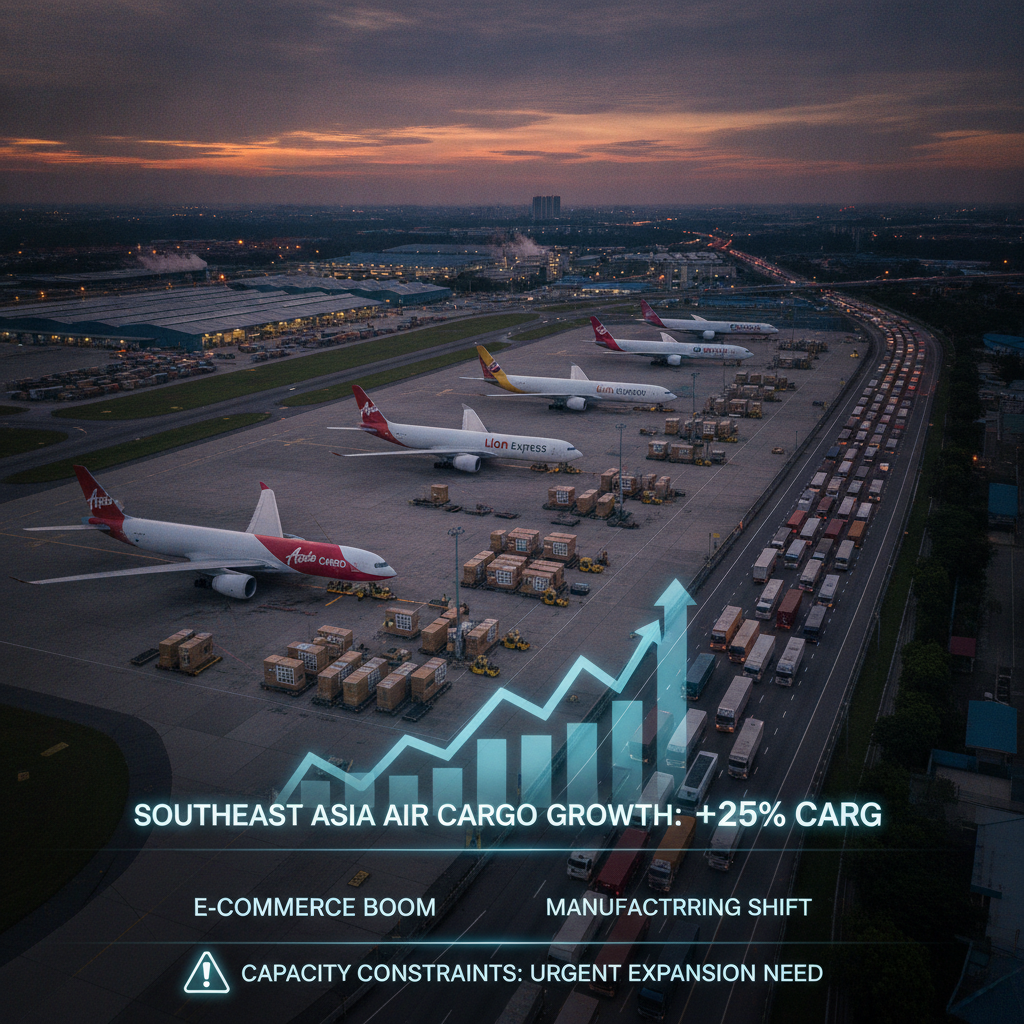
Beyond manufacturing relocation, booming regional digital markets are profoundly impacting Southeast Asian air cargo growth. Industry data reveals that Indonesia’s e-commerce market is projected to reach USD 104.21 billion in 2026, while Vietnam continues its rapid digital retail expansion. To accommodate this, regional logistics operators are racing to optimize capacity.
- Asia-Pacific airlines recorded a robust 8.4% year-on-year demand growth in air cargo for 2025, significantly outpacing other regions.
- Global demand for air freight saw a 9% year-on-year increase by September 2026, straining existing capacity in emerging Southeast Asian hubs.
- The ASEAN freight and logistics market, valued at USD 288.24 billion in 2025, is projected to reach USD 406.1 billion by 2031.
Navigating Capacity Constraints
While the momentum is overwhelmingly positive, logistics experts warn of a growing capacity-location problem. Surging demand out of Southeast Asia means that air cargo is structurally resilient but heavily compressed and capacity-constrained at specific origins. Forwarders and shippers must prioritize earlier planning and explore alternative regional gateways to maintain supply chain fluidity. Ultimately, securing space in this high-demand market has become a competitive necessity rather than a mere operational task.
References
Air Freight Logistics Configuration Guide for Southeast Asia Sellers. SmartKargo: Why Southeast Asia Is the New Epicenter of Air Cargo Growth. DHL: Asia Pacific air and sea freight rates, capacity are diverging. Aviation Business News: Air cargo delivered strong performance in 2025.