The Ripple Effect of Far East Typhoon Port Congestion
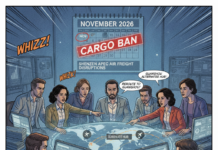
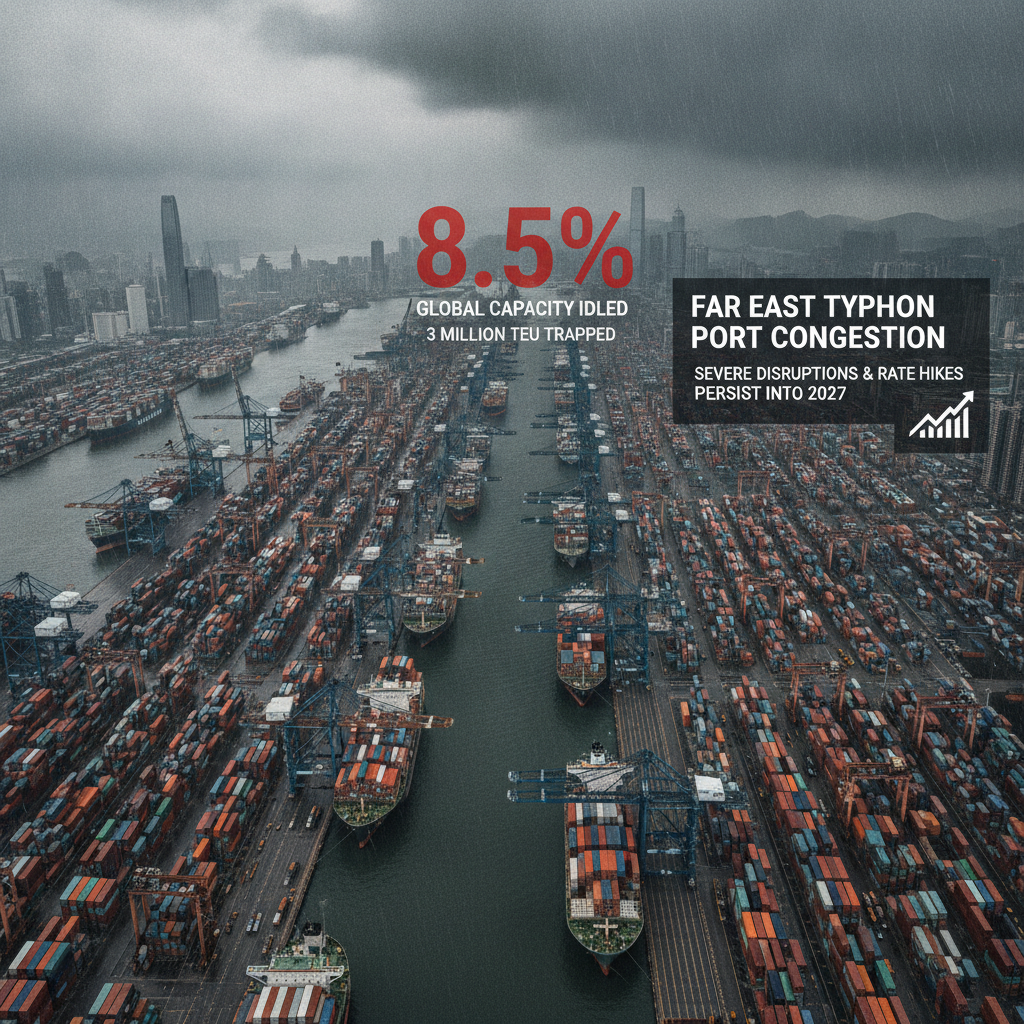
A relentless wave of late-2026 severe weather has triggered unprecedented Far East typhoon port congestion, effectively paralyzing a significant portion of global shipping capacity. The cascading effects of major storms, including Typhoons Dolphin and Saudel, have forced intermittent closures at mega-ports like Shanghai and Ningbo. According to Sea-Intelligence, this disruption has tied up approximately 8.5% of the global container fleet, which is roughly equivalent to 3 million TEUs. This bottleneck essentially removes a fleet the size of the world’s fifth-largest ocean carrier from active service.
Vessel Bunching and Plummeting Reliability
The core issue lies in vessel bunching, where delayed ships arrive simultaneously at transshipment hubs. Schedule reliability plummeted to just 49.9% in late 2026, marking a four-year low for the industry. In major North Asian hubs, vessel waiting times have surged between 5 and 11 days, creating a domino effect that has doubled vessel queues at Southeast Asian ports like Singapore. As capacity tightens, intra-Asia spot freight rates have skyrocketed to record highs across regional lanes.
Far East Typhoon Port Congestion: The 2027 Outlook
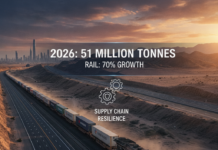
Industry analysts warn that resolving this logistical crisis will be a protracted struggle. Experts estimate that clearing the massive container backlog could take seven to ten months, meaning global supply chains will likely grapple with these bottlenecks well into 2027. Logistics professionals must prioritize flexible carrier selection, allow for extended lead times, and closely monitor port advisories to mitigate persistent supply chain risks.
References
Xeneta: Schedule Reliability Falls for Fourth Consecutive Month as Asia Port Congestion Continues.
The Loadstar: Delays mount as port disruption in Asia ties up 3m teu of box capacity.
Manila Times: Asian port congestion ties up 8.5% of the world’s box ships.
Metro Global: Asian port congestion could disrupt supply chains well into 2027.
ICIS: Asia container freight faces delays due to typhoon, tight capacity.
Drewry: Typhoon-related port congestion keeps intra-Asia rates high.