As global supply chains adapt to new geopolitical realities, Belt and Road fleet partnerships are undergoing a dramatic transformation in 2026. Private shipping entities are increasingly stepping in where state-backed investments once dominated, signaling a shift from basic freight agreements to comprehensive maritime capacity building. For logistics experts, this signals a more integrated, decentralized approach to international shipping.
Key Trends in Belt and Road Fleet Partnerships
Recent developments highlight distinct shifts in how these strategic alliances operate within the maritime sector:
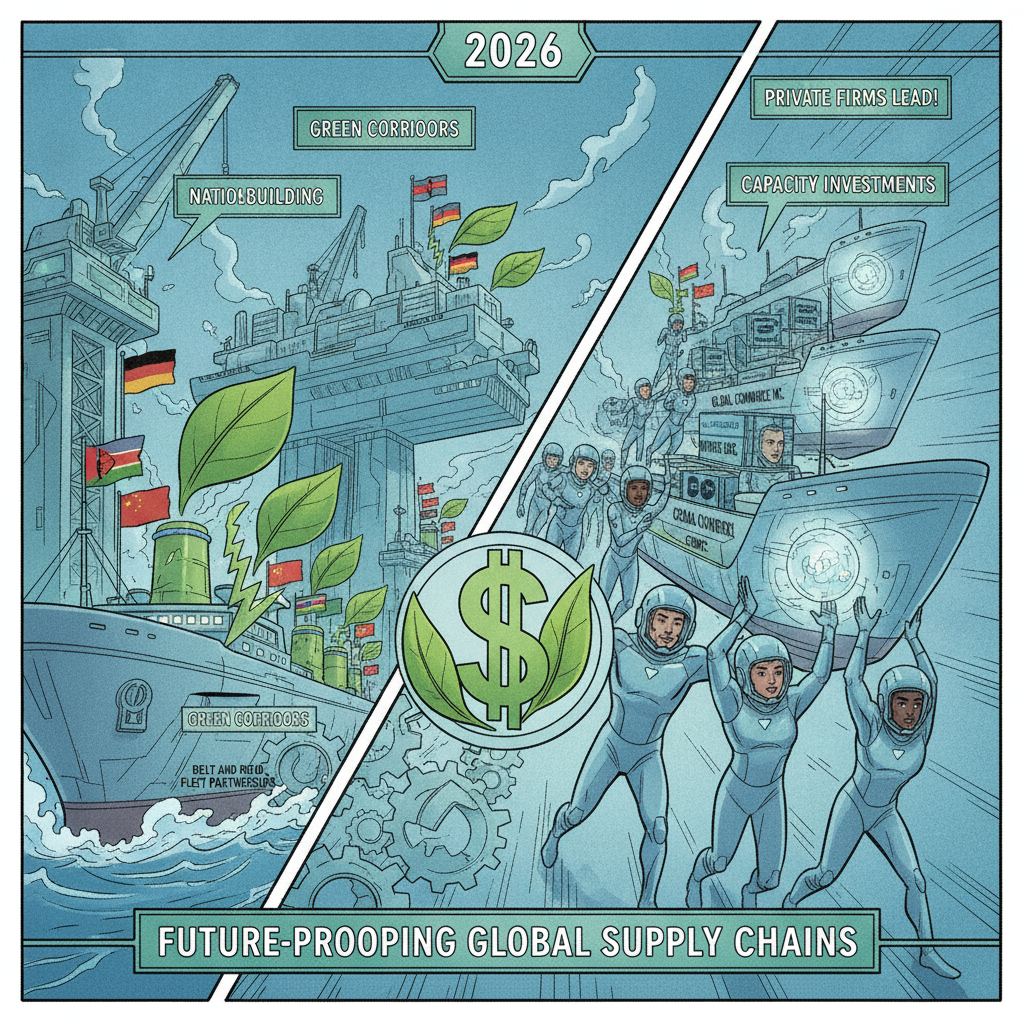
- National Fleet-Building: Private Chinese firms, such as Seacon and Zhejiang Xiehai, are brokering aggressive fleet-building and maritime training deals in emerging markets like Kazakhstan and Sierra Leone.
- Green Corridor Initiatives: Alliances like the DP World and Zhejiang Seaport Group collaboration are pioneering low-carbon facilities and green shipping routes to support global infrastructure.
- Integrated Supply Chains: Giants like COSCO continue to expand their integrated logistics corridors, managing fleets of over 1,300 vessels to ensure seamless intermodal connectivity across 160 countries.
The Future of Belt and Road Fleet Partnerships
These evolving Belt and Road fleet partnerships offer a dual advantage: they provide emerging nations with essential maritime finance and capacity, while allowing global operators to secure alternative supply routes. By leveraging advanced digital tools and green fuels, these partnerships are effectively future-proofing global transit networks against regional disruptions.
References
Lloyd’s List (Nov 2026) – Chinese shipowners target national fleet-building deals.
Nov 2026 Analysis – One Belt, One Road and BRICS: points of convergence.
Belt and Road Portal – China COSCO Shipping Corporation Limited.
DP World (2024) – DP WORLD PARTNERS WITH ZHEJIANG SEAPORT GROUP.