Why Is Global Manufacturing Inventory Stockpiling Surging in 2026?
In response to escalating geopolitical tensions and persistent supply chain bottlenecks, global manufacturing inventory stockpiling has reached unprecedented levels in late 2026. Logistics and shipping experts are witnessing a paradigm shift from just-in-time models to robust just-in-case strategies. Recent data from the GEP Global Supply Chain Volatility Index in November 2026 highlights that manufacturers have aggressively accelerated precautionary stockpiling. This surge reflects mounting concerns over future inflation and potential supply disruptions.
Key Drivers Behind the Stockpiling Surge
The aggressive accumulation of raw materials and finished goods is not a random anomaly. Supply chain volatility continues to force leaders to rethink inventory management strategies. The primary catalysts include:
- Geopolitical Uncertainty: Looming tariff escalations and regional conflicts have disrupted traditional global value chains, prompting North American and European manufacturers to secure materials early.
- Rising Transportation Costs: With global freight expenses climbing for consecutive months, companies are front-loading shipments to mitigate anticipated logistics cost hikes.
- Technological Integration: Over 90 percent of manufacturing leaders are now leveraging AI and RFID technologies to optimize their expanded inventory capacities and maintain end-to-end supply chain visibility.
Impact on Logistics and Warehousing
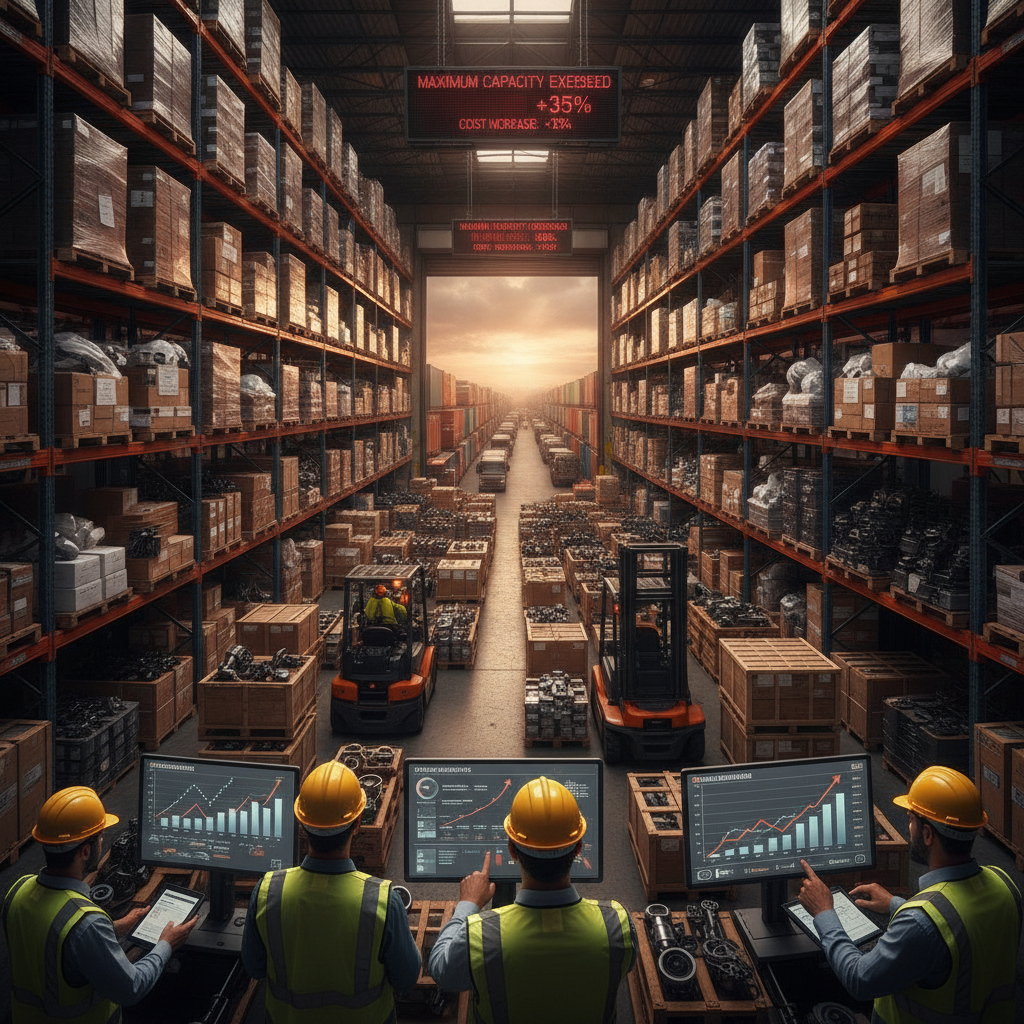
While this strategic inventory buildup supports near-term manufacturing resilience, it presents critical challenges for the logistics sector. Working capital is increasingly tied up in safety stocks, and storage capacities in strategic hubs are being pushed to their limits. Shipping experts must now prioritize agile distribution networks and data-driven inventory management to prevent overcapacity risks. Navigating this era of global manufacturing inventory stockpiling requires a delicate balance between mitigating disruption risks and maintaining operational efficiency.
References
Forbes – What Is The State Of Manufacturing and Supply Chain In 2025? (forbes.com)
S&P Global – GEP Global Supply Chain Volatility Index News Release (pmi.spglobal.com)