Surging Container Volumes in 2026
In the wake of geopolitical volatility affecting traditional maritime corridors, Northern Sea Route Container Shipping has emerged as a compelling alternative for global logistics experts. Driven by disruptions in the Red Sea and broader supply chain realignments, the Arctic corridor has witnessed unprecedented momentum. By the end of September 2026, the Centre for High North Logistics reported 104 confirmed transit voyages, officially surpassing the 103 total voyages recorded throughout the entire 2025 navigation season. This momentum positions 2026 to potentially reach 150 transits and exceed 4.5 million metric tons of cargo.
The Rise of Scheduled Liner Services
Historically utilized for point-to-point energy transport, the route is now facilitating regular containerized trade. Chinese shipping operators have successfully launched seasonal liner-type services connecting major Asian hubs like Ningbo-Zhoushan to Western European ports, including Felixstowe and Rotterdam. This strategic shift highlights critical operational advantages for the shipping industry:
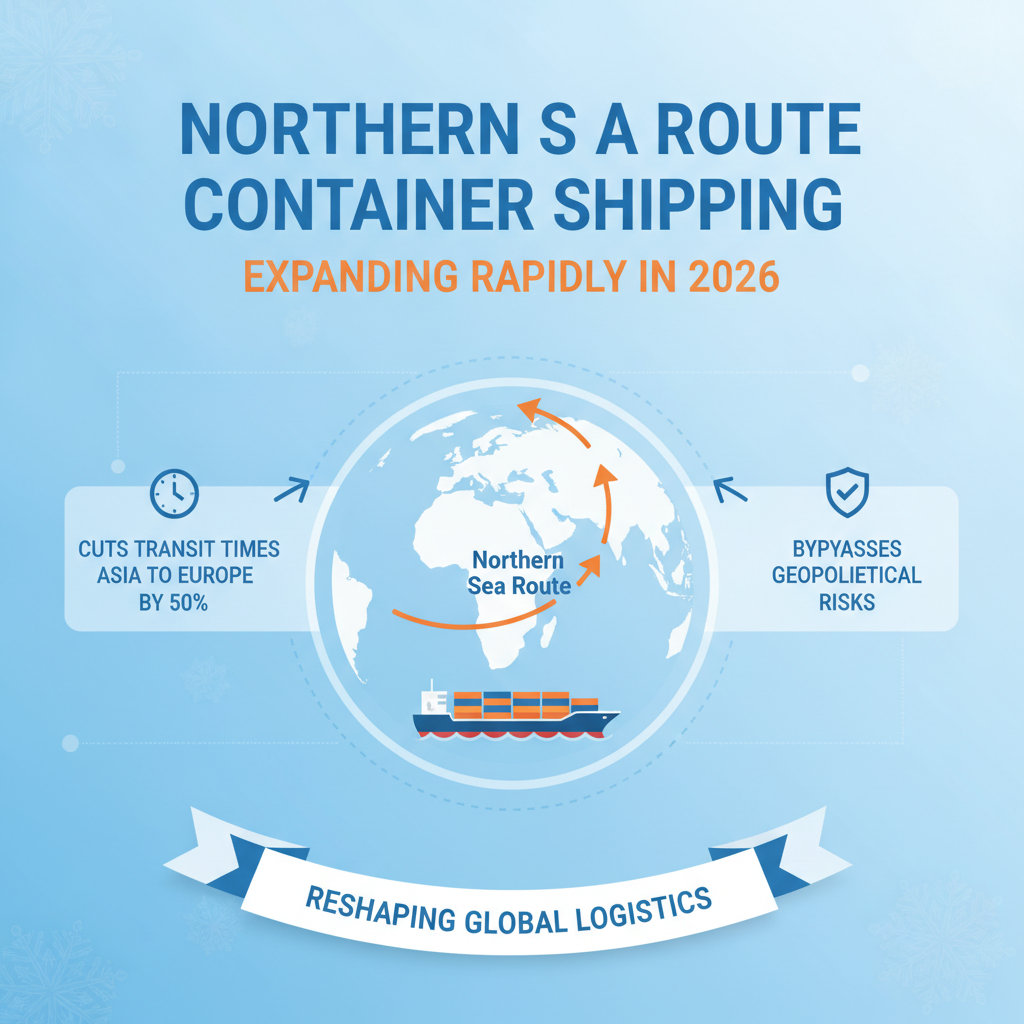
- Drastic Time Savings: Transit from China to the UK requires approximately 18-20 days, cutting the traditional Suez Canal transit time by nearly half.
- Increased Cargo Deadweight: The combined deadweight tonnage of transiting vessels jumped by 26 percent to 7.8 million tons in the first nine months of 2026.
- Bypassing Chokepoints: The route provides a haven from the severe geopolitical risks currently affecting the Middle East.
Challenges and Future Viability
Despite these lucrative advantages, experts caution that maintaining Northern Sea Route Container Shipping requires overcoming formidable hurdles. The navigational window remains highly seasonal, typically limited to four to six months. Furthermore, operators face exorbitant icebreaker escort tariffs, often ranging between 200,000 and 500,000 USD, along with stringent ice-class vessel requirements. Should global geopolitical conflicts de-escalate, the economic incentive to utilize the Arctic route may diminish. However, for now, the route stands as a vital strategic pivot for resilient supply chains.
References
- High North News: China launches 18-day Arctic container route to Europe (August 2025). https://www.highnorthnews.com
- ResearchGate: Economic and environmental feasibility of Northern Sea Route for container service (July 2026).
- Centre for High North Logistics: Northern Sea Route Transits Surpass 2025 Total (October 2026).
- Xclusiv Shipbrokers: Northern Sea Route transits surpass 2025 levels (October 2026).
- Carnegie Politika: International Demand for Russia’s Arctic Shipping Route (September 2026). https://carnegieendowment.org