
How the Electric Vehicle Supply Chain is Navigating 2026 Logistics
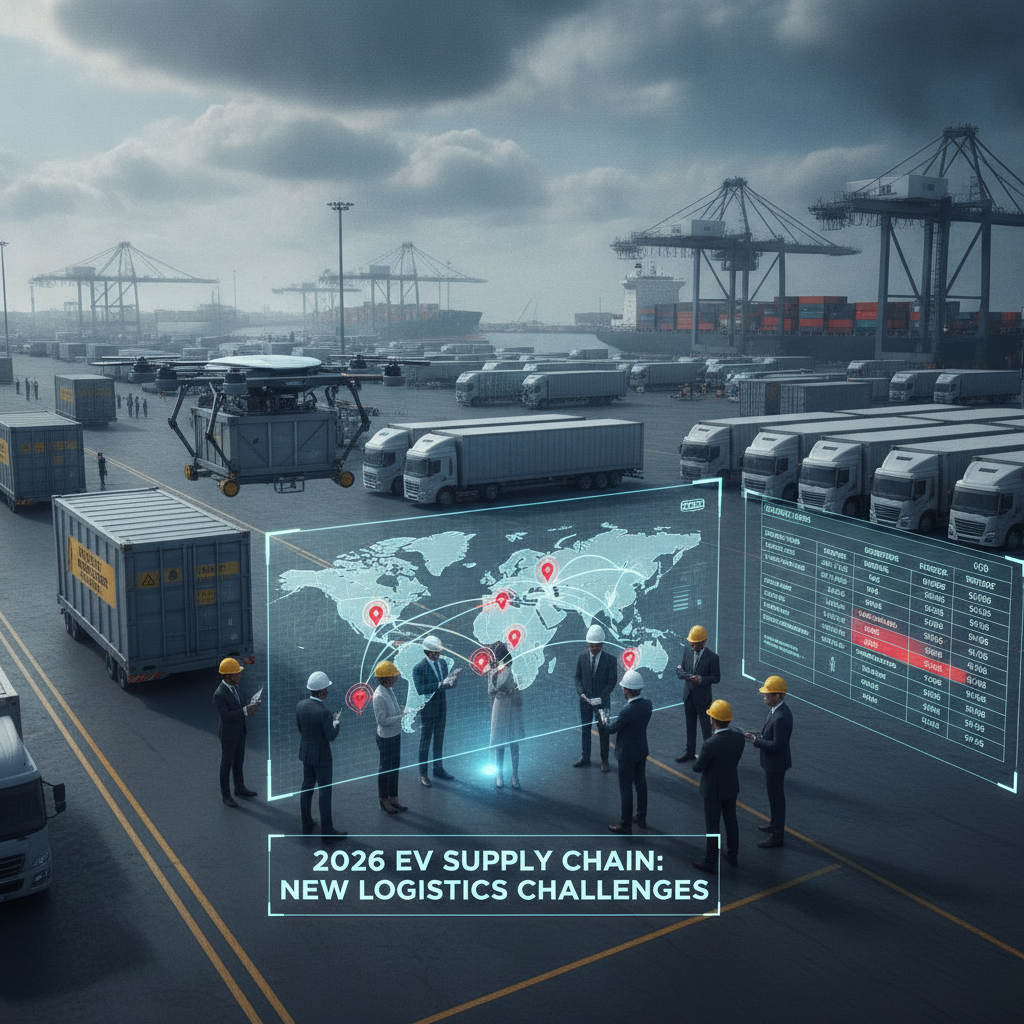
The global Electric Vehicle Supply Chain is experiencing unprecedented restructuring due to shifting 2026 trade policies and specialized shipping regulations. For logistics professionals, the transition to specialized EV networks presents both significant bottlenecks and lucrative opportunities.
Battery Transportation and Regulatory Hurdles
Moving EV batteries remains a critical logistical challenge in 2026. Stringent shipping regulations dictate transport protocols globally. For instance, air shipments of lithium-ion batteries are now restricted to a maximum 30% State of Charge (SoC), a mandate fully enforced for equipment-bundled batteries by 2026. Furthermore, transporting defective batteries requires specialized maritime containment systems, straining ocean freight capacities.
Key Electric Vehicle Supply Chain Shifts
- Geopolitical Restructuring: Heightened tariffs have forced automakers to diversify battery raw material sourcing beyond traditional centralized hubs.
- Market Penetration: Despite supply chain frictions, 2026 data forecasts EVs could capture nearly 60% of new car sales in China and see a 20% increase in Europe.
- Real-Time Visibility: Procurement teams are investing in AI tracking to monitor specialized roll-on/roll-off vessel capacities and avoid congestion at transshipment ports.
The Path Forward
To master the evolving Electric Vehicle Supply Chain, freight forwarders must prioritize maritime visibility and integrate strict compliance protocols into routing operations. Winners will treat battery logistics as a high-risk, specialized freight category rather than a standard commodity.
References
- Logistics Challenges in Electric Vehicle Supply Chains: Batteries, Safety & Compliance (2025)
- Electric Vehicle Market Analysis Report 2026