
The Impact of Global Container Vessel Overcapacity
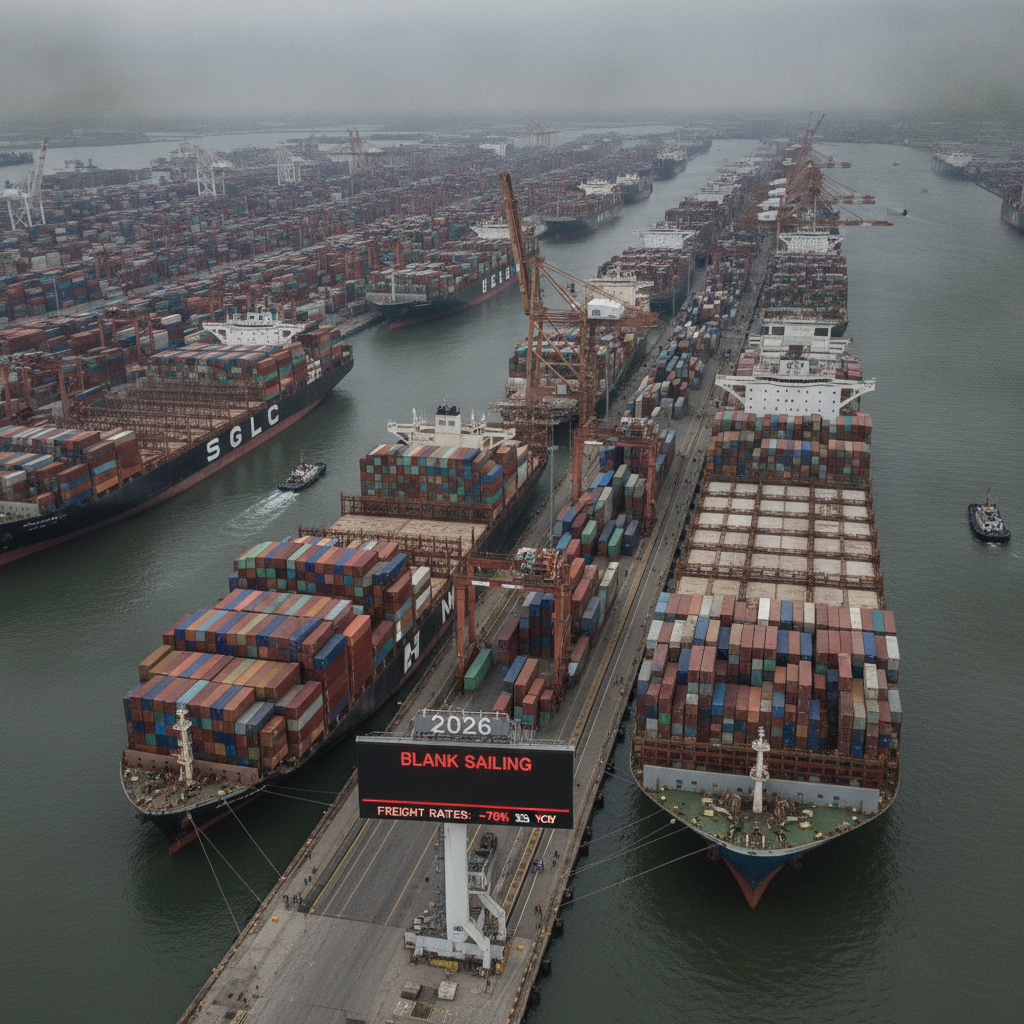
The maritime logistics sector is confronting a stark reality as Global Container Vessel Overcapacity reaches unprecedented levels in 2026. After massive pandemic-era investments, a staggering 7 million TEUs of additional capacity entered the market between 2024 and 2026. Consequently, the global container fleet surpassed 33 million TEU by the end of 2025, reflecting a 7% year-on-year expansion despite softening demand.
Financial Fallout and Rate Pressures
This structural Global Container Vessel Overcapacity is exerting severe downward pressure on ocean freight rates and carrier profitability. Industry analysts note a capacity surplus exceeding 10% on primary East-West routes. Major carriers are feeling the sting, with forecasts predicting that leading operators could see their ocean segment EBITDA plunge significantly in 2026. For example, Drewry forecasts a drastic 96.7% year-on-year drop in industry EBIT for 2026 as market fundamentals near a reset.
Strategies to Mitigate Global Container Vessel Overcapacity
To survive the protracted downcycle stretching into 2027, shipping lines are implementing aggressive defensive mechanisms. Logistics operators are shifting tactics to artificially tighten vessel supply and stabilize spot rates. Key operational strategies include:
- Increasing blank sailings across major East-West corridors to balance immediate supply.
- Delaying the scrapping of older vessels as a strategic buffer against unpredictable geopolitical disruptions.
- Redirecting excess tonnage to emerging markets, particularly in South Asia and Latin America, where demand shows resilience.
Ultimately, the timeline for market recovery hinges heavily on global trade volume recovery and geopolitical developments, particularly the potential resumption of full Suez Canal transits.
References
Drewry releases financial health-check report 2026. Is Container Shipping Overcapacity Creating a 2026 Rate Crisis? Logistics Great.