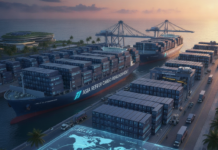


Navigating Volatility with Elastic Logistics Operations
As supply chains face severe demand fluctuations in 2026, leaders are abandoning rigid infrastructures. Elastic Logistics Operations serve as the premier strategy to transform fixed overhead into variable, pay-as-you-go costs. Through flexible physical infrastructures and dynamic routing, networks can expand during peak seasons and contract during quieter periods without carrying underutilized assets.
Data Fueling Elastic Logistics Operations
Rising expenses are accelerating this structural shift. U.S. delivery costs surged 12% between 2024 and 2025, leaving inflexible models vulnerable to margin erosion. With last-mile delivery accounting for up to 53% of total shipping expenses, any inefficiency produces disproportionate financial damage. Consequently, the elastic logistics segment is expanding rapidly, driving a 9.4% projected CAGR as the global logistics market heads toward $16.8 trillion by 2032. Furthermore, 81% of shippers now view real-time transportation data as a critical competitive differentiator.
Pillars of Elastic Scalability
Implementing Elastic Logistics Operations requires a synchronized technological approach:
- Cloud Orchestration: Using cloud platforms to dynamically scale capacity.
- Predictive Planning: Deploying AI to forecast demand surges and secure on-demand warehousing.
- Shared Networks: Integrating third-party transport to avoid permanent proprietary fleets.
Elasticity is no longer merely about speed; it is about proportional structural fit and cost discipline.
References
- MBE Franchise, “What is Elastic Logistics and how it’s redefining business scaling in 2026”
- News, “Transport and Logistics in 2026: What the Industry Should Expect”
- Kynection, “Which 2026 Logistics Trends Should Australian Operators Watch?”