
Is Elastic Logistics the Ultimate Pivot for Supply Chains in 2026?
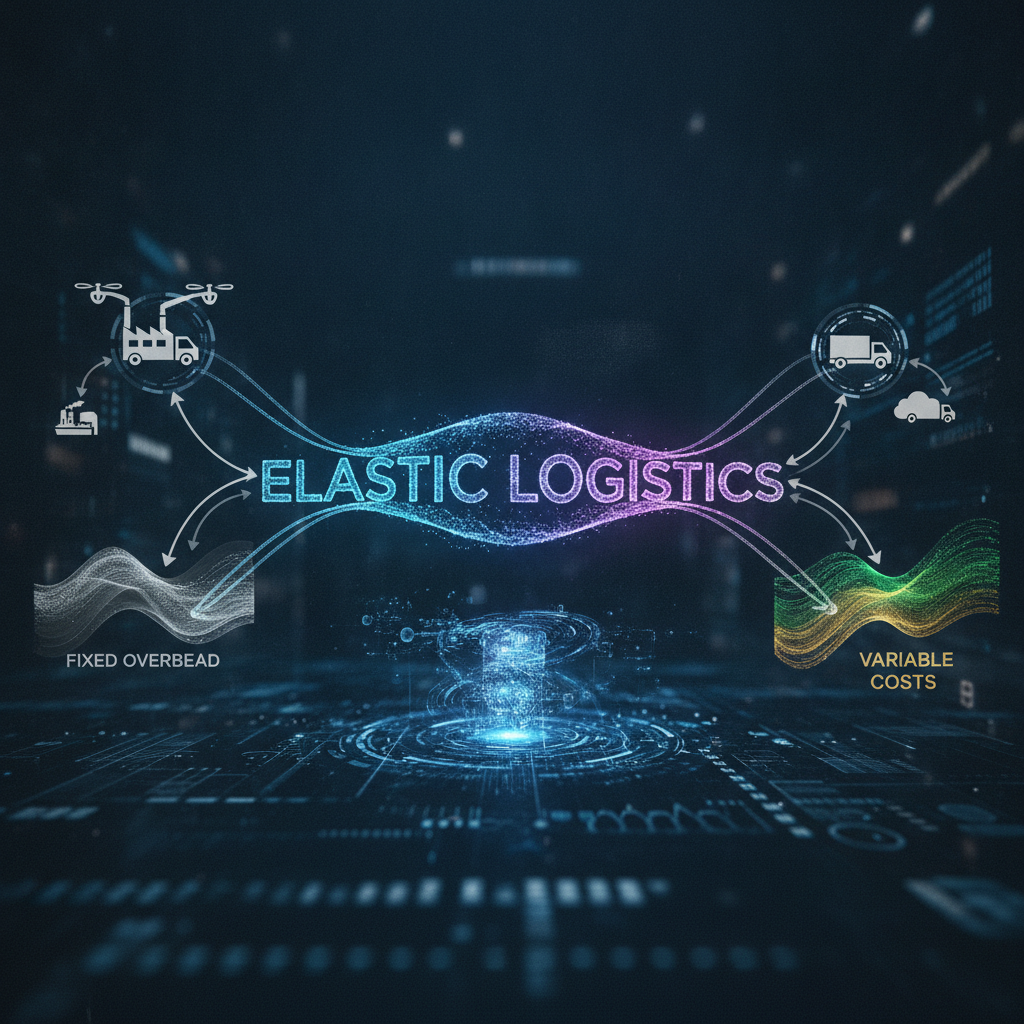
The global shipping landscape is undergoing a fundamental transformation. In 2026, rigid planning cycles are rapidly being replaced by “Elastic Logistics”. This dynamic supply chain model allows businesses to expand or contract operations in direct response to real-time market demands, shielding them from the financial strain of maintaining permanent proprietary infrastructure.
Data-Driven Scalability in Elastic Logistics
Elastic logistics relies heavily on Artificial Intelligence and cloud computing. With the global logistics market projected to reach USD 16.8 trillion by 2032, flexible on-demand warehousing adoption is accelerating. AI co-pilots now analyze weather, traffic, and port congestion to execute real-time shipment rerouting. This approach seamlessly converts fixed property and labor costs into variable operating expenses, dramatically improving cash flow and operational resilience.
Key Elastic Logistics Benefits for Supply Chains
Navigating today’s volatile trade environment requires ultimate adaptability. Logistics providers are realizing multiple strategic advantages through flexible scaling:
- Cost Optimization: Firms significantly reduce overhead by utilizing Warehousing-as-a-Service and dynamically adjusting carrier space.
- Enhanced Visibility: Cloud-based Transport Management Systems prevent critical bottlenecks by integrating live traffic conditions.
- Peak Season Readiness: Providers can instantly scale capacity up during holiday rushes and down during slower periods without financial penalty.
The Future Outlook
As the Last Mile Logistics Software market aims for an estimated USD 96.58 billion by 2032, elastic capabilities will soon become the baseline industry standard. Supply chain leaders must audit their technology stacks to ensure they have the deep visibility required for this agility.
References
MBE Franchise (2026); DHL ID (2026); SCCG (2026); FedEx Japan (2025); Transvirtual (2025); Stratum (2026); MBE Franchise (2026); DHL ID (2026).