

The Urgent Need for Digital Defenses in Logistics
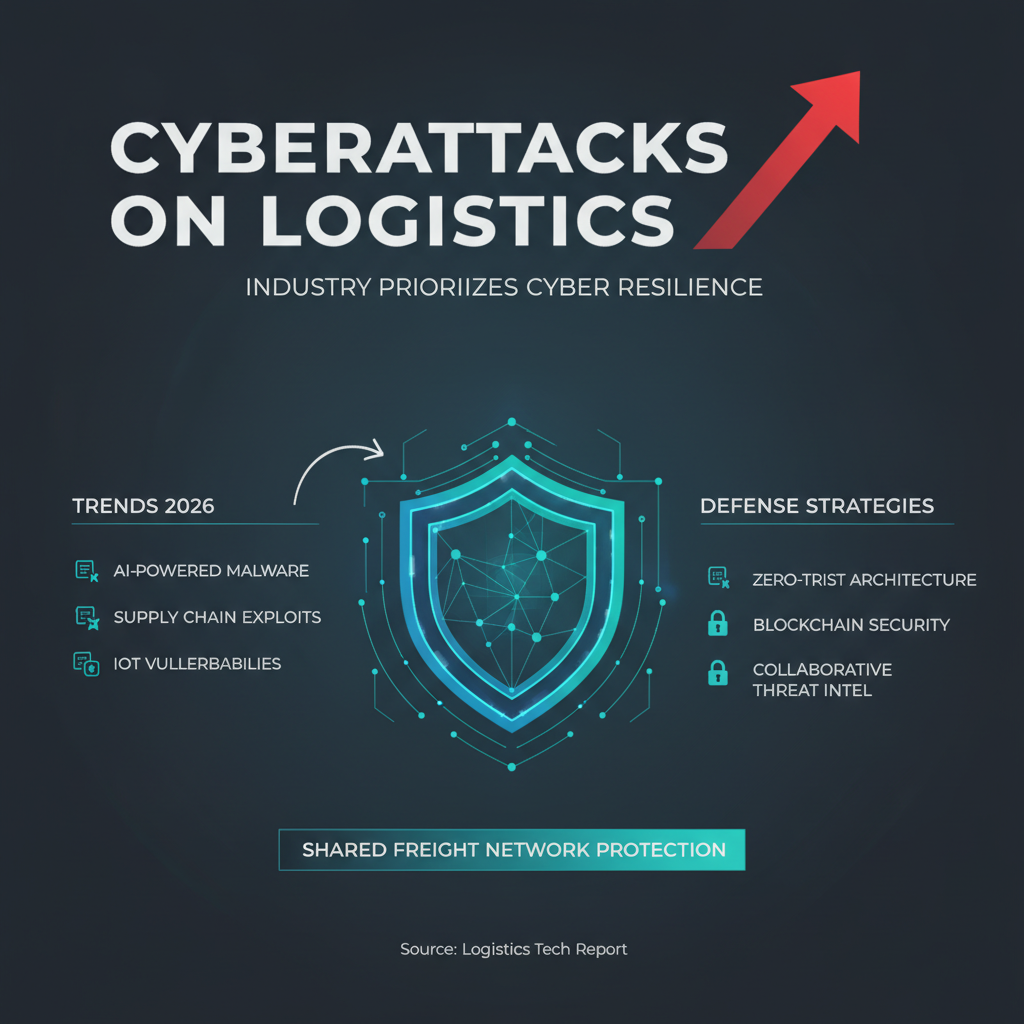
The global shipping industry is facing an unprecedented digital reckoning. As connectivity deepens, freight network cybersecurity resilience has transitioned from a basic IT checklist to a critical operational mandate. A 2026 report by Everstream Analytics revealed that cyber incidents targeting the logistics sector exploded by 965% between 2021 and 2025. Furthermore, these sophisticated attacks are projected to double throughout 2026, forcing shipping experts to rapidly prioritize robust defense mechanisms.
The Shift Toward Shared Infrastructure Attacks
Hackers are no longer merely targeting individual organizations. Recent threat intelligence shows a strategic pivot toward compromising shared transportation systems and maritime infrastructure. State-sponsored threat actors are increasingly orchestrating stealthy, coordinated breaches aimed at halting global operations. To build authentic freight network cybersecurity resilience, logistics operators must focus on several key defensive strategies:
- Implementing operational technology (OT) segmentation to isolate critical terminal systems and prevent lateral network movement.
- Ensuring strict compliance with emerging regulations like the EU’s NIS2 and CER Directives for complex port operations.
- Deploying AI-driven anomaly detection systems across fleet telematics and connected IoT sensors.
Prioritizing Operational Readiness
In 2026, a cyberattack on a freight network does not just compromise data; it causes physical congestion, delays physical cargo, and directly spikes freight rates. The 2026 Allianz Risk Barometer indicates that 38% of transportation professionals now cite cyber threats as their absolute top industry concern. Modern organizations must ensure their warehouse management systems and transportation management systems feature redundant, instant-failover capabilities to alternate data centers. Ultimately, cultivating long-term freight network cybersecurity resilience requires treating digital threats as immediate supply chain disruptions, emphasizing comprehensive crisis management and rapid recovery protocols.
References
- DeepStrike: Logistics Cybersecurity Statistics 2026
- Eye Security: Top Cyber Threats in Logistics
- The Loadstar: Cyber tsunami in logistics
- Firstlink Global: Impact of Cybersecurity on Shipping
- Watson Farley & Williams: Cybersecurity in the maritime sector
- Supply Chain 24/7: Cyberattacks on Logistics Are Set to Double
- Allianz: Top risks for transportation and logistics in 2026