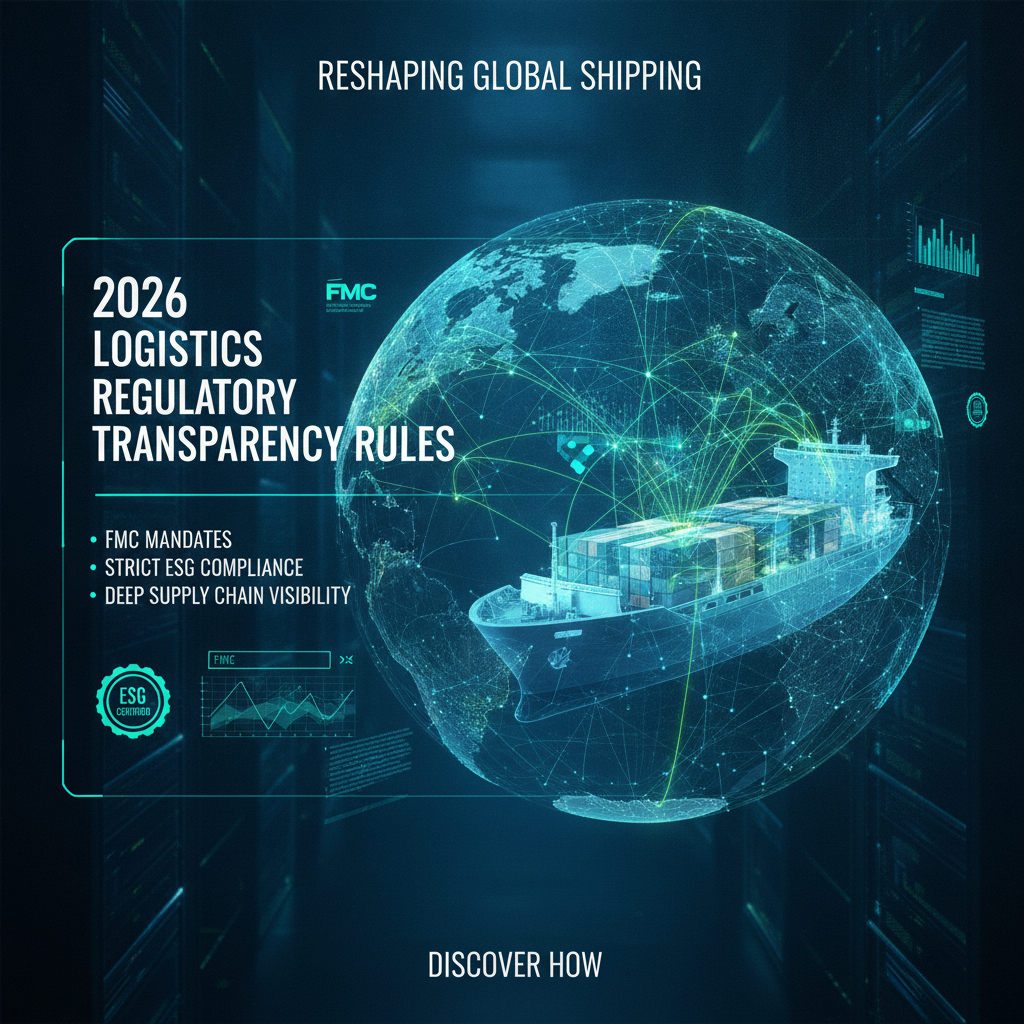
In 2026, the implementation of comprehensive Logistics Regulatory Transparency Rules is fundamentally reshaping global supply chain operations. For ocean freight, the Federal Maritime Commission (FMC) recently issued sweeping proposed changes to modernize its regulatory framework, encouraging proactive stakeholder engagement and digital-first compliance. These rules signal a definitive end to opaque surcharges and unverified billing, forcing vessel-operating common carriers (VOCCs) to adopt stringent e-tariff methodologies and submit detailed annual export strategies.
Logistics experts must navigate a dual-layered regulatory environment. Beyond the FMC’s push for operational fairness and digitized tracking, international ESG directives have evolved from theory to rigorous practice. With the Corporate Sustainability Due Diligence Directive (CSDDD) and the Carbon Border Adjustment Mechanism (CBAM) entering binding enforcement phases, superficial tier-one audits are no longer sufficient. Shippers are now legally required to map their material origins several tiers deep, ensuring multi-tiered transparency.
To survive this heavily regulated landscape, supply chain leaders must adapt quickly. Critical actions include:
- Deploying AI-powered platforms to monitor shipping manifests and detect ESG violations in real-time.
- Transitioning to automated e-filing via the SERVCON portal to meet tighter detention and demurrage guidelines.
- Utilizing blockchain networks for complete traceability to satisfy both environmental taxes and ethical sourcing mandates.
As the FMC expands its competition oversight and antitrust-exempt operational monitoring, transparency is no longer optional. Proactive digitization and rigorous data harmonization are the only ways to avoid costly penalties in this new era of logistics accountability.
References
Federal Maritime Commission FY 2026 Congressional Budget Justification. FMC Proposes Changes to Rulemaking Process to Expand Stakeholder Influence. The Federal Maritime Commission: Regulating Ocean Transportation. Deadline Announced for Required Filing of Annual Export Strategies. Future Trends in Sustainable Logistics. Six supply chain trends to watch in 2025. 5 Compliance Shifts in 2025 Every Company Should Be Tracking.