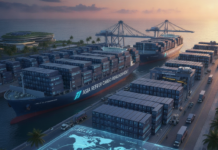


The traditional logistics calendar has been completely upended as an Early peak season hits the global shipping industry in 2026. Rather than the conventional late-summer surge, freight networks are experiencing massive demand spikes as early as May and June. Importers are aggressively frontloading cargo to bypass anticipated tariff hikes and geopolitical friction, triggering fierce competition for capacity.
This timeline shift is driving remarkable volatility across major trade lanes. For instance, spot rates to the US West Coast recently surged 51% in a single week to $4,836 per FEU, marking the sharpest increase since the previous year. With vessel availability remaining 20-30% below normal levels on key routes, supply chain leaders are scrambling to secure space.
Several compounding factors are accelerating this timeline:
- Tariff Anxiety: Businesses are rushing shipments to beat potential Section 301 tariffs and expected duty increases in July.
- Red Sea Rerouting: Ongoing Middle East disruptions are lengthening transit times, prompting shippers to buffer their inventory earlier.
- Fuel Cost Hikes: Importers are aiming to dodge the 80% spike in bunker adjustment factors scheduled for July.
To navigate this accelerated timeline, logistics experts must adopt proactive strategies:
- Advance Forecasting: Lock in carrier allocations weeks earlier than traditional cycles dictate.
- Modal Diversification: Blend sea-air combinations to circumvent congested port infrastructure.
- Inventory Pull-Forward: Buffer safety stock now to avoid the astronomical premium surcharges predicted for Q3.
References
Metro Global (2026). Early peak season surge tightens Asia ocean freight markets.
Hylios (2026). Peak Season Arrives Early: Tariffs & Tensions Drive 51% Rate Surge.