
The Central Asia-China Land Freight Expansion Era
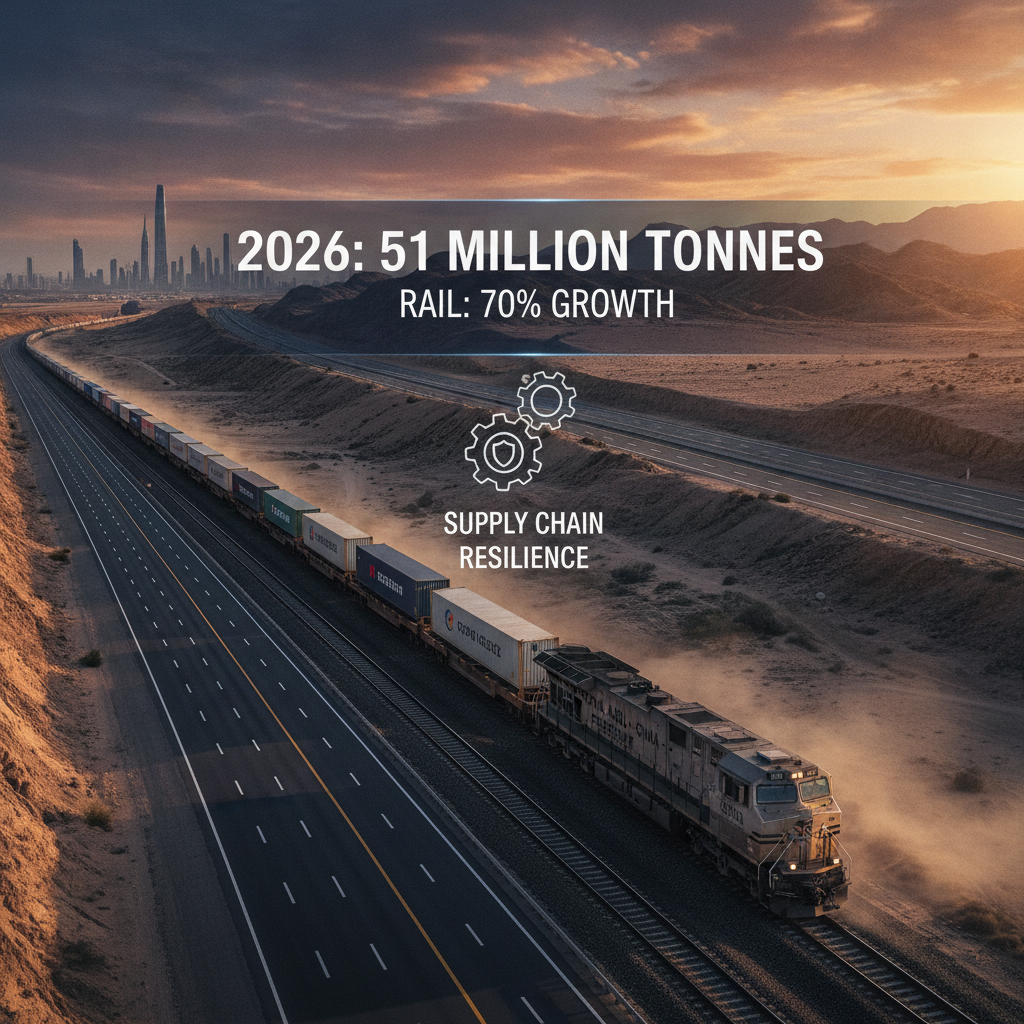
The Central Asia-China land freight expansion is rapidly transforming Eurasian supply chains, offering robust alternatives to maritime routes. According to the Eurasian Development Bank, total rail and road freight between China and Central Asian nations reached a record 51 million tonnes in 2026. During the first ten months of 2026, cargo volumes grew by 8% year-on-year, underscoring a structural shift in regional logistics.
Rail Networks Driving the Central Asia-China Land Freight Expansion
Railways remain the backbone of this logistical boom. Out of the 51 million tonnes moved in 2026, rail freight accounted for 35.6 million tonnes, or roughly 70% of the total volume. This momentum began building strongly in 2025, when the first seven months saw 8,526 cross-border freight train trips, marking a 23.2% increase from the previous year. Kazakhstan continues to dominate the transit landscape, processing approximately 84% of all land transport flows between the two regions through critical checkpoints like Dostyk and Altynkol.
Strategic Value of the Central Asia-China Land Freight Expansion
For shipping experts, this corridor represents more than just capacity growth; it signifies supply chain resilience. Key operational trends include:
- Increased Trade Turnover: Combined regional trade with China surged from US$23.5 billion in 2020 to nearly US$70 billion in 2025.
- Middle Corridor Integration: Efforts to harmonize customs and digitalize procedures are drastically reducing cross-border delays.
- Infrastructure Diversification: New investments in intermodal hubs ensure logistics continuity during global maritime disruptions.
Ultimately, the continuous Central Asia-China land freight expansion is cementing the region’s status as an indispensable transit artery in global commerce.
References
UzDaily (2026). https://www.uzdaily.uz
News Central Asia (2026). https://www.newscentralasia.net
Xinhua (2025). https://english.news.cn