The State of Supply Chain Resilience in 2026
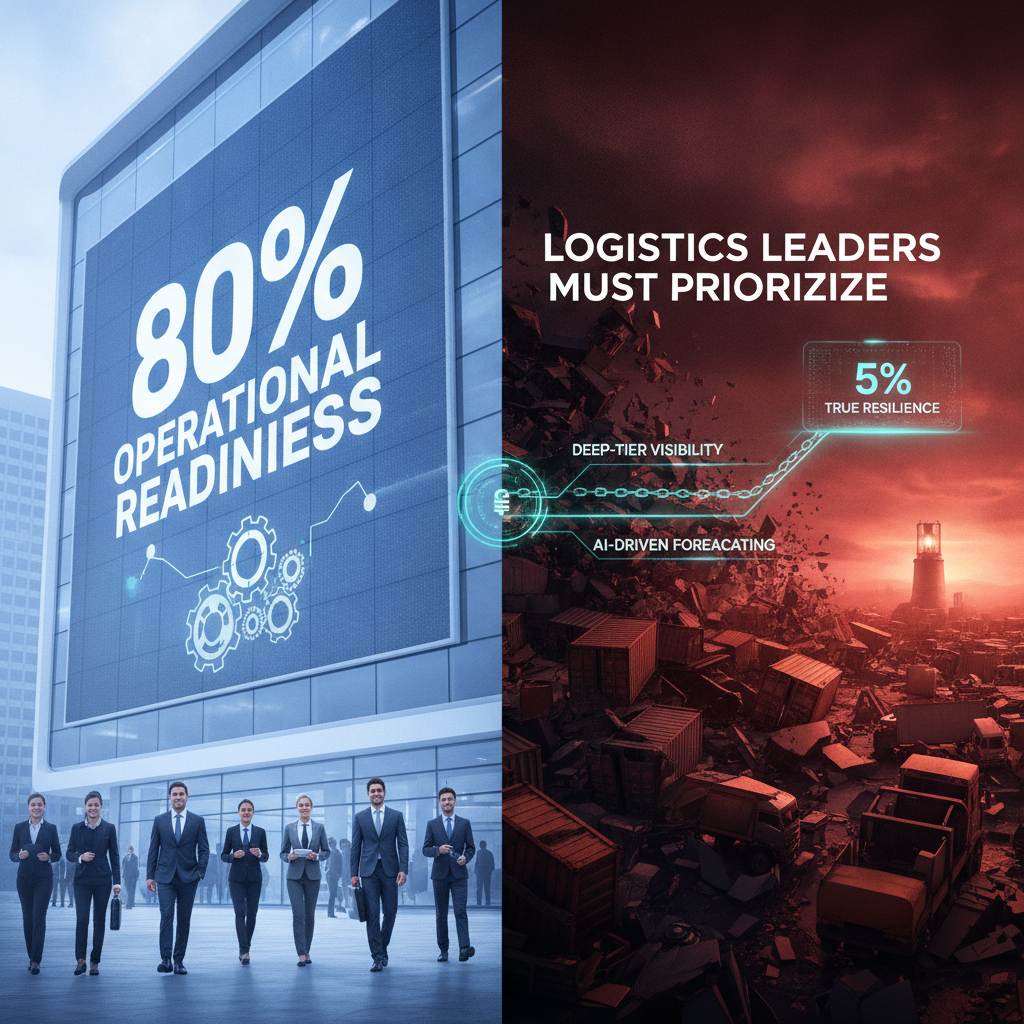
In an era defined by geopolitical shifts and climate volatility, Supply Chain Resilience has evolved from an operational buzzword to a critical strategic asset. Recent analyses reveal a significant paradox: while 80% of organizations describe their operations as highly resilient, only 5% possess a comprehensive resilience strategy in 2025. This systemic overconfidence threatens shipping networks worldwide.
Overcoming the Visibility Barrier in Supply Chain Resilience
The gap between perceived and actual readiness largely stems from poor network illumination. According to recent reports, a mere 6% of companies maintain complete supply chain visibility, leaving 84% blind to risks beyond their Tier 1 suppliers. To combat this vulnerability, the U.S. Supply Chain Resilience market is surging, valued at $8.58 billion in 2025 and projected to grow rapidly as logistics experts integrate advanced digital twins and AI-driven demand sensing.
Strategies for Future Supply Chain Resilience
To future-proof operations and optimize freight efficiency, logistics leaders must move beyond reactive measures. Modern resilience requires structural transformation across the entire network.
- Deep-Tier Mapping: Expanding visibility into Tier 2 and Tier 3 suppliers to predict upstream disruptions before they halt production.
- AI-Driven Forecasting: Utilizing continuous risk monitoring platforms to dynamically adjust inventory policies and mitigate tariff shocks.
- Sustainable Integration: Embedding carbon impact and circularity metrics directly into network design rather than treating them as external compliance requirements.
Achieving genuine Supply Chain Resilience demands treating sustainability, deep-tier visibility, and multi-sourcing as foundational design parameters. As global volatility accelerates, the competitive advantage will strictly belong to shipping experts who treat resilience as a shared, enterprise-wide responsibility.
References
SNS Insider (2026). Supply Chain Resilience Market Size & Trends Report. SpecLens / Oliver Wyman (2026). Supply Chain Resilience Paradox. U.S. Department of Defense / Enterprise Reports (2025). Building Supply Chain Resilience.