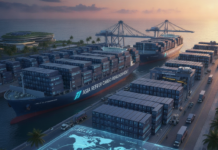


The global logistics landscape is undergoing a massive transformation, with 3PL industry consolidation emerging as the defining trend of 2026. As supply chains regionalize and nearshoring accelerates, strategic buyers are prioritizing acquisitions that offer hard-to-replicate capabilities over mere network scale. This shift has catalyzed a robust merger and acquisition (M&A) environment, reshaping how third-party logistics providers operate.
Market Value and 3PL Industry Consolidation
Recent data reveals a sharp acceleration in market combinations, with 3PL M&A deal volume surging 20% year-over-year in the first half of 2026. Driven by technological demands and stabilizing freight markets, the global sector is projected to approach a staggering $1.4 trillion in valuation this year. Private equity firms are particularly active, capitalizing on fragmented markets to build integrated, tech-enabled supply chain platforms.
Major transactions are already redefining market density and service breadth. A prominent example is C.H. Robinson’s planned $5.8 billion acquisition of RXO, announced in October 2026, highlighting the aggressive push for automated operations and surface transportation density.
Key Drivers Fueling 3PL Industry Consolidation
Several critical factors are accelerating these market combinations:
- Technological Integration: Buyers are paying premium EBITDA multiples (often 6x to 10x) for asset-light logistics providers equipped with AI-driven visibility and automated compliance platforms.
- Specialized Capabilities: Consolidation heavily favors operators with deep expertise in high-demand niches, such as cold-chain biologics, hazardous materials, and complex e-commerce fulfillment.
- Nearshoring Initiatives: Restructured manufacturing footprints, particularly the 7.1% year-over-year rise in U.S.-Mexico cross-border freight, are driving demand for specific localized logistics specialists.
The Road Ahead for Logistics Leaders
As 3PL industry consolidation continues, the dividing line between traditional providers and digital freight platforms is rapidly blurring. Shippers are actively condensing their vendor bases toward fewer, highly integrated partners capable of end-to-end supply chain execution. Moving forward, logistics experts must prioritize technology investments and niche specializations to remain competitive in an increasingly aggregated market.
References
Proventis Partners: Logistics Industry M&A in 2026
PwC: US Deals 2026 midyear outlook
Armstrong & Associates: Trends in 3PL/Customer Relationships 2026
Logistics Viewpoints: C.H. Robinson’s $5.8 Billion RXO Acquisition
CT Acquisitions: Logistics Mergers and Acquisitions 2026
SourceX: 3PL and logistics M&A trends in 2026
Capstone Partners: 3PL Market M&A Activity Shows Signs of Improvement 2026