How Will 2026 ASEAN Strategic Trade Controls Reshape Global Shipping?
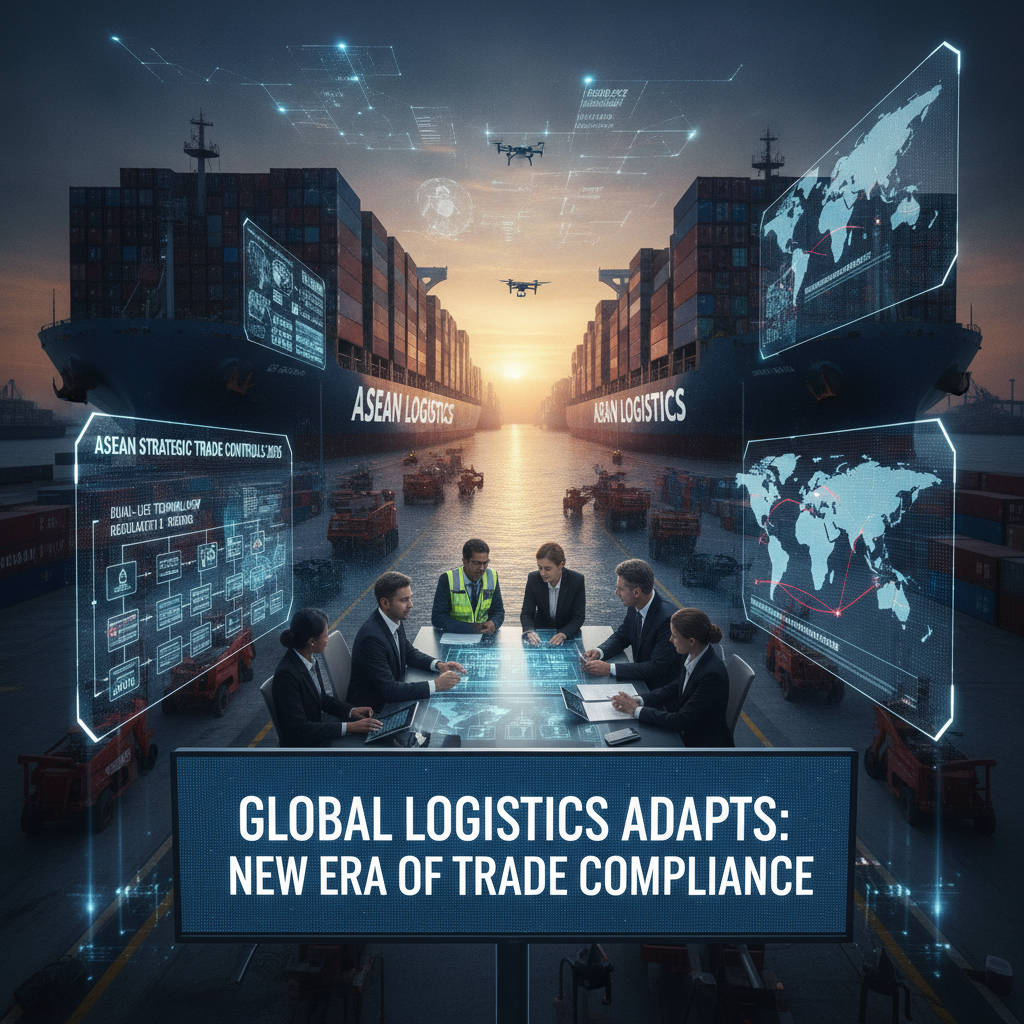
Logistics professionals must adapt to the rapidly evolving landscape of ASEAN Strategic Trade Controls. Highlighted at the September 2026 Southeast Asia Forum on Export Controls in Jakarta, leaders are accelerating efforts to harmonize trade policies. With the Philippines as the 2026 ASEAN Chair, an ASEAN Leaders’ Declaration on Strategic Trade Management is a Priority Economic Deliverable for November’s summit. For shipping experts, this signals stricter oversight of dual-use technologies, semiconductors, and critical minerals.
Impact of ASEAN Strategic Trade Controls on Regional Logistics
The push for standardized trade regulations impacts freight forwarders across Southeast Asia. Recent updates, like Vietnam’s Decree 259/2025/ND-CP managing the cross-border movement of strategic goods, demonstrate a region-wide regulatory tightening. Logistics companies face heightened scrutiny regarding end-user controls, requiring rigorous screening to ensure legitimate trade while mitigating legal risks.
Navigating ASEAN Strategic Trade Controls Through Compliance
To succeed in this environment, shipping experts must invest in robust Internal Compliance Programs. During the July 2026 ASEAN Capacity Building Workshop in Tokyo, partners emphasized that predictable frameworks are essential for secure trade. Logistics organizations must integrate advanced tracking and rigorous documentation into daily operations to ensure supply chain resilience.
References
U.S. Mission to ASEAN (asean.usmission.gov) | ANTARA News (en.antaranews.com) | Vietnam Briefing (vietnam-briefing.com) | DTI Philippines (dti.gov.ph)