
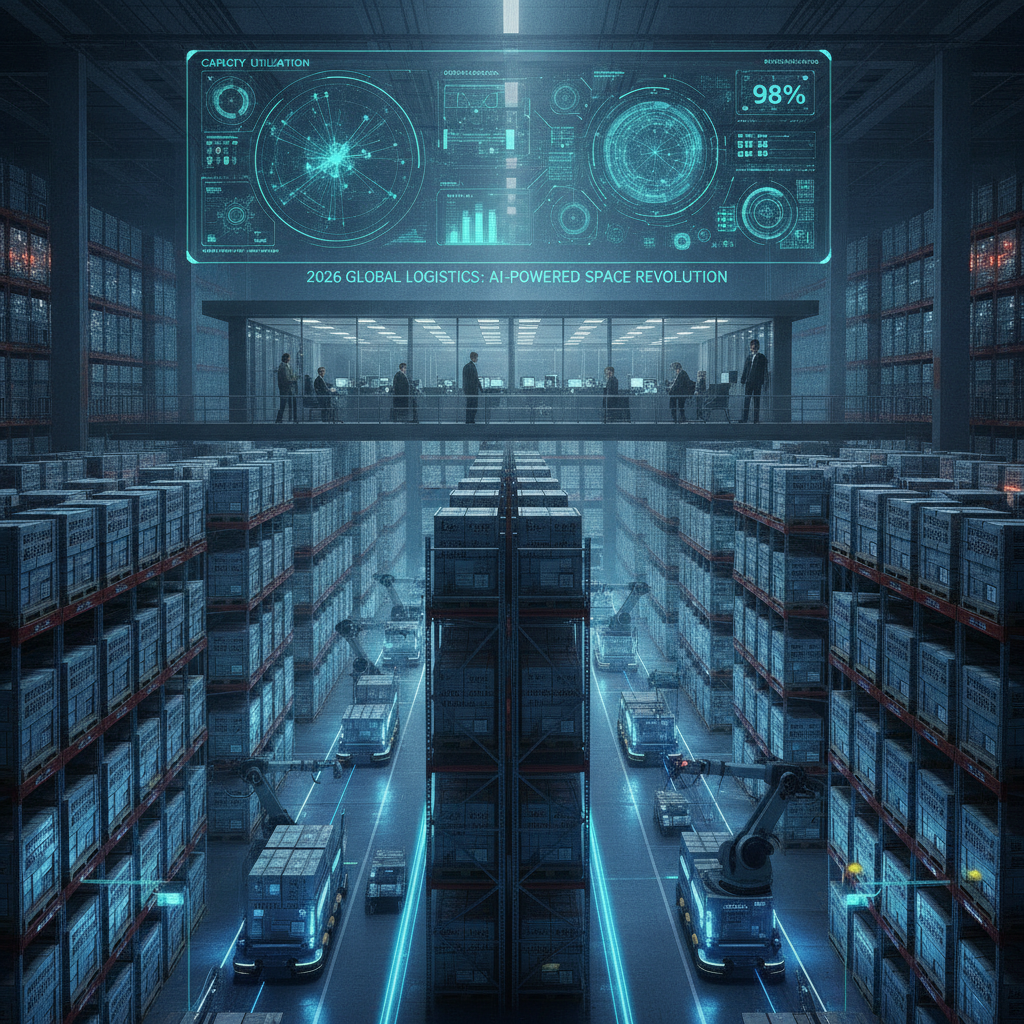
The global supply chain is experiencing a critical inflection point in 2026, driven by a sudden resurgence of upstream warehouse capacity constraints. After a period of soft pricing and abundant space, logistics operators are now grappling with tightening vacancies and rising rents.
The Drivers Behind Capacity Shortages
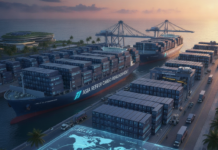
Recent market shifts are largely fueled by defensive inventory strategies. Facing looming tariff deadlines, importers are pulling inventory forward at an unprecedented rate. According to recent forecasts, major U.S. ports were projected to handle a record-breaking 2.47 million twenty-foot equivalent units (TEUs) in July 2026. Every early container arrival requires immediate upstream storage, compounding warehouse space utilization challenges and accelerating the scarcity of prime logistics real estate.
Technological Interventions for Space Optimization
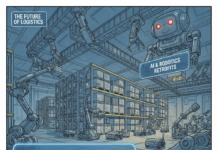
To combat these upstream warehouse capacity constraints, logistics leaders are pivoting from physical expansion to operational consolidation. Automated Storage and Retrieval Systems (AS/RS) and Autonomous Mobile Robots (AMRs) have transitioned from optional upgrades to essential survival tools. By maximizing vertical space utilization, advanced automated systems can drastically reduce a facility’s storage footprint by up to 80 percent while simultaneously increasing picking speeds. Furthermore, as the warehouse robotics market accelerates toward a projected 21.08 billion dollar valuation by 2030, the integration of Artificial Intelligence with legacy Warehouse Management Systems is proving critical for dynamic slotting and predictive inventory management.
Strategic Outlook for Logistics Experts
Looking ahead, successfully mitigating upstream warehouse capacity constraints requires an agile, technology-driven approach. Logistics firms must leverage real-time supply chain visibility to balance inventory flows and prevent bottlenecking at port-adjacent storage hubs. Relying solely on expanding square footage is no longer financially viable; instead, density and throughput efficiency will dictate supply chain resilience.