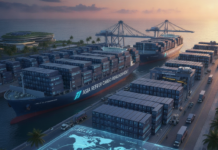


The global logistics sector is facing an unprecedented maritime bottleneck following the near-total closure of a critical chokepoint. Since March 2026, the ongoing Strait of Hormuz shipping disruption has severely constrained the transit of approximately 20% of the world’s seaborne oil and liquefied natural gas (LNG) [1]. With the waterway effectively paralyzed by regional conflict and naval blockades, tanker traffic has dropped to a fraction of pre-war levels, forcing operators into drastic rerouting and complex risk calculations [2].
For logistics and shipping experts, the fallout extends far beyond crude oil shortages. Container lines and bulk carriers have faced soaring war-risk premiums and unprecedented delays. Recent data highlights the operational severity:
- Over 80 sea mines have been reported in the central traffic separation scheme, requiring extensive clearance before standard operations can safely resume [3].
- Major commodity flows, including essential fertilizers and critical minerals like aluminum and graphite, are facing severe global supply bottlenecks [4].
- As of late June 2026, the International Maritime Organization (IMO) was forced to suspend vessel evacuations through temporary corridors following a projectile strike off the coast of Oman [5].
The long-term effects of this crisis will fundamentally reshape maritime strategy. While alternate pipelines in Saudi Arabia and the United Arab Emirates mitigate some crude oil delays, non-oil commodities and container shipping are bearing the brunt of the crisis [6]. Fleet managers must prepare for sustained congestion, elevated freight rates, and the necessity of navigating multimodal supply chain alternatives. As clearing operations slowly commence, the industry must prioritize supply chain resilience over traditional just-in-time logistics frameworks.
References
[1] IEA, Strait of Hormuz – About, 2026. [2] CSIS, The Strait of Hormuz in 8 Charts, April 2026. [3] The Guardian, Hormuz disruption will continue until 80 mines blocking route are cleared, June 2026. [4] World Economic Forum, Beyond oil: 9 commodities impacted by the Strait of Hormuz crisis, April 2026. [5] Margin Guidance, IMO Suspends Strait of Hormuz Ship Evacuations After Projectile Strike, June 2026. [6] Brookings Institution, From chokepoint to crisis: The Strait of Hormuz and global oil markets, June 2026.