
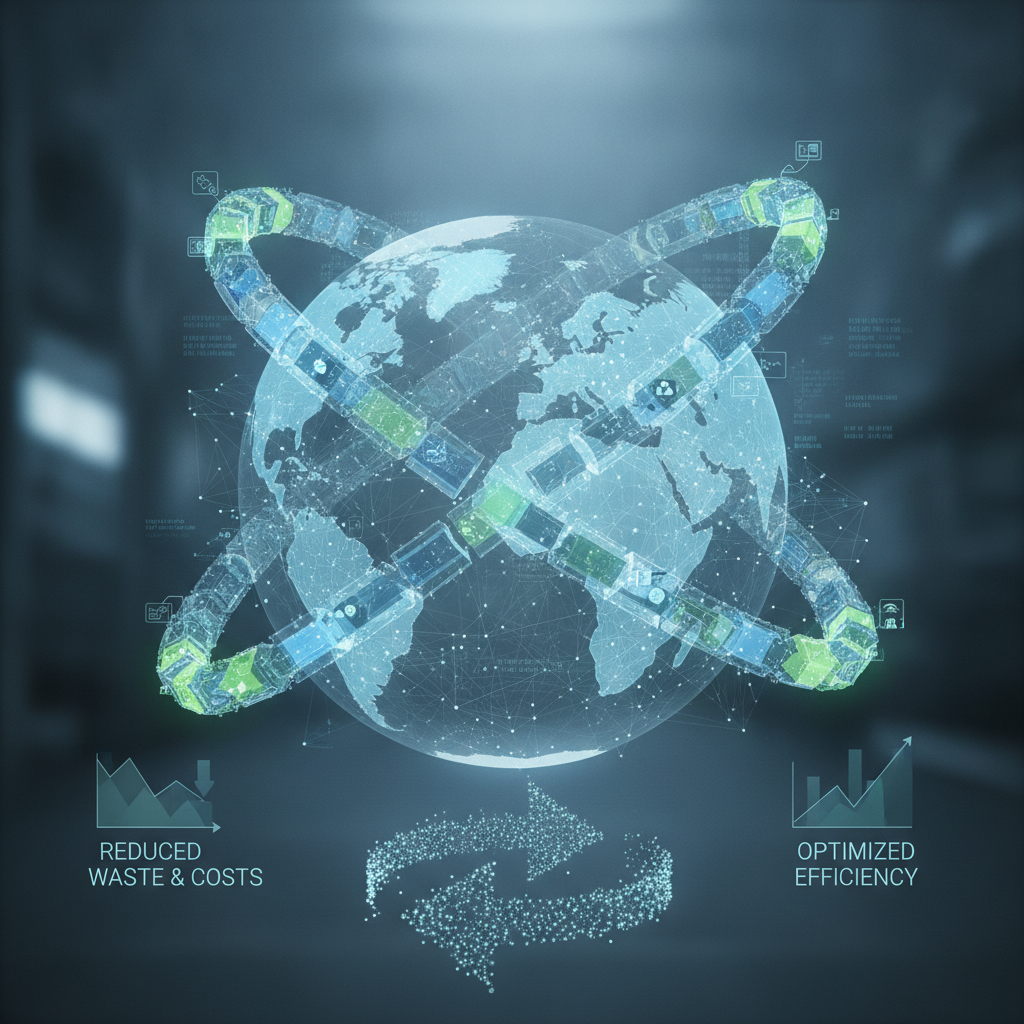
The global logistics sector is actively moving away from single-use materials toward sustainable resilience. At the forefront of this evolution are circular packaging loops, a system where containers are tracked, cleaned, and redistributed continuously. In 2025, the global green packaging platform market reached a valuation of $3.2 billion, reflecting massive investments in sustainable supply chains. By 2026, leading retailers are committing to fully reusable systems, driven by data showing that over 70% of consumers are willing to pay a premium for
Optimizing circular packaging loops requires robust technological infrastructure. Logistics experts are increasingly deploying Internet of Things (IoT) sensors to monitor assets in real-time. This ensures that reusable containers are not only recovered but also tracked for temperature and humidity during transit. AI-driven platforms manage the complex reverse logistics, efficiently routing empty packaging back to origin points. This transition minimizes operational waste and significantly reduces reliance on volatile virgin polymer markets.
Implementing circular packaging loops is no longer just a sustainability initiative; it is a critical competitive advantage. With the broader logistics market expanding rapidly, companies that scale efficient collection and processing networks are capturing significant market share. By prioritizing carbon-aware routing and right-sized reusable designs, businesses can optimize their dimensional weight costs and lower overall emissions. Moving forward, the widespread integration of circular packaging loops will be the definitive standard for resilient, future-proofed global supply chains.
References
Grand Research Store: Commercial Cardboard Recycling Services Market Size 2026. Intel Market Research: Green Packaging Platform Market Outlook 2026-2034. Mordor Intelligence: E-commerce Plastic Packaging Market Analysis. MBE Franchise: Elastic Logistics in 2026. Logistics Market to Reach USD 8.2 Trillion by 2034. Sustainable Logistics & the Circular Economy.