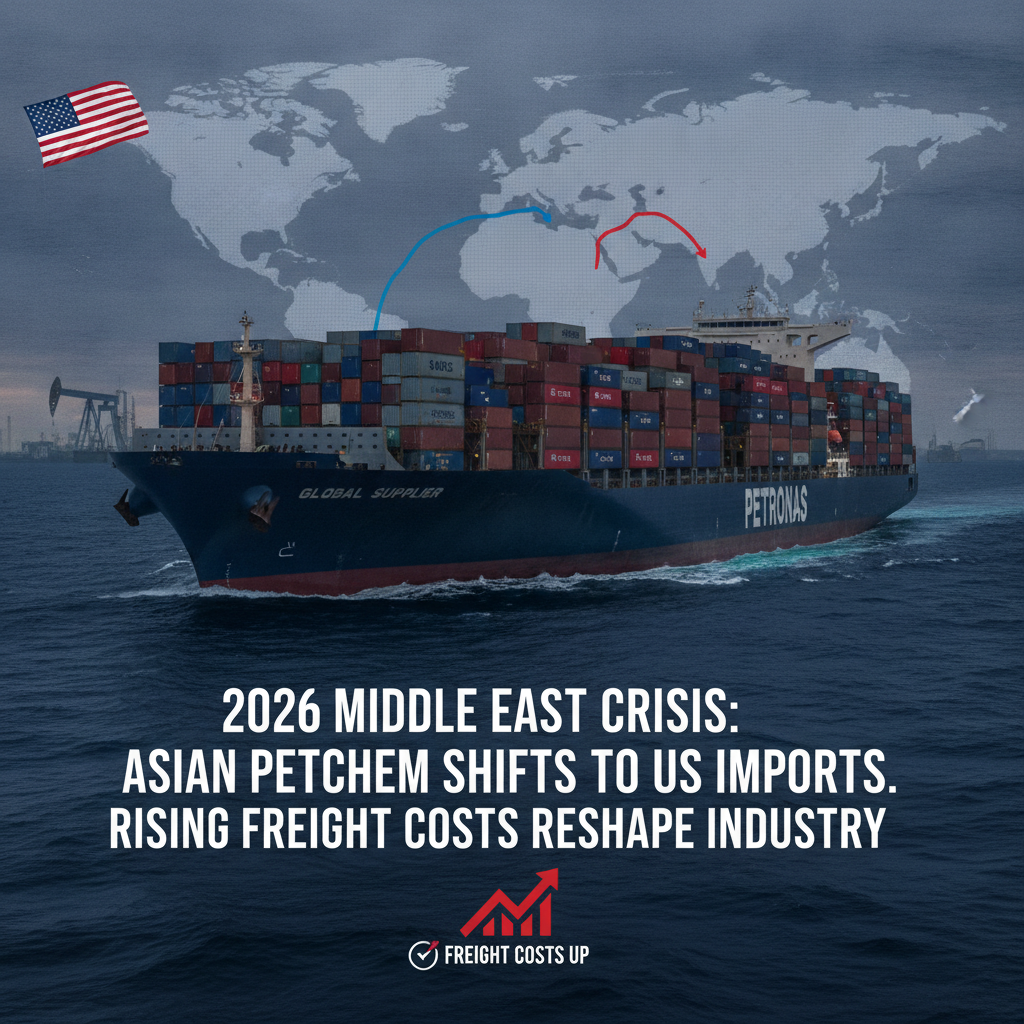
The escalation of geopolitical conflicts in early 2026 has turned a projected petrochemical surplus into a severe supply chain crisis. With the effective closure of the Strait of Hormuz, Asian petrochemical feedstock shipping has faced unprecedented disruptions. Historically reliant on the Middle East for vital resources, regional producers are now scrambling to secure alternative naphtha and LPG supplies to maintain operations.
The vulnerability of legacy trade routes has forced logistics experts to fundamentally reassess their sourcing strategies. Asia’s historical dependency on Middle Eastern naphtha stood at a staggering 60 percent, leaving the market highly exposed to transit bottlenecks. Consequently, we are witnessing a massive structural pivot toward alternative origins to stabilize downstream manufacturing.
- Surging US Imports: By May 2026, US LPG exports reached a decade-high of 2.91 million barrels per day, with 59 percent of these cargoes destined for Asian markets.
- India’s Strategic Pivot: Indian importers aggressively turned to the US, increasing their share of US-origin cargoes to 41 percent since the onset of the crisis, up from just 6 percent in 2025.
- Escalating Freight Costs: Freight expenses have surged by up to 10 USD per barrel on key routes, turning logistics into a primary structural driver of downstream profit margins.
Beyond immediate sourcing challenges, this crisis is accelerating the rationalization of structural overcapacity. Between 2021 and 2025, Asia successfully phased out approximately 24 million tons of inefficient petrochemical capacity, primarily located in Northeast Asia. As extended transit times increase working capital requirements, logistics managers must implement more agile supply chain frameworks.
To navigate this volatile landscape, procurement teams are abandoning traditional origin flexibility and investing heavily in strategic floating storage. The future of the industry will undoubtedly rely on diversified sourcing, localized consolidation, and enhanced resilience against global shocks.
References
GPCA – Petrochemical industry: Adapting to a new evolving reality.
ICIS – APIC 26: INSIGHT: Petrochemical industry faces new reality amid Mideast war.
Naftemporiki – LPG shipping rates fall despite surge in exports.