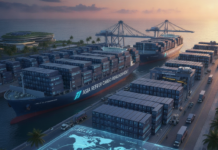


The landscape of Intra-Asia trade logistics is undergoing a profound transformation as we navigate through 2026. Driven by volatile global tariffs and surging regional e-commerce, businesses are restructuring their supply chains to prioritize intra-regional linkages. According to market analysis, bilateral trade between China and ASEAN reached a staggering USD 982 billion, emphasizing a pivot toward a self-reliant Asian ecosystem. This shift has solidified the region not merely as the world’s factory, but as its most dynamic consumption hub.
Several catalysts are propelling this accelerated growth and reshaping freight operations across the region. Regional experts noted that the intra-Asia trade finished 2025 just shy of 50 million TEU, prompting a predicted wave of mergers and acquisitions among smaller regional carriers.
- E-Commerce Boom: Cross-border e-commerce is scaling rapidly, fueling a surge in less-than-container load shipments and dedicated air freight lanes.
- Rate Volatility: Strong export demands from China and Southeast Asia caused regional sea freight rates to climb 8-15% throughout 2025.
- Supply Chain Diversification: Growth in container volumes from China to Vietnam remained strong at 16% in 2025, driven by multi-country manufacturing strategies.
As the market matures, industry leaders must adapt to elevated operational complexities. Port congestion in major hubs like Singapore, coupled with the need for specialized feeder vessels, requires high-level route optimization. Moving forward, leveraging granular data platforms and AI-based cargo tracking will be critical for carriers aiming to capture high-value cargo yields and maintain profitability in this highly competitive arena.
References
- The Loadstar: Intra-Asia trade the next hunting ground for M&A-hungry carriers
- Intra-Asia Trade 2026: Opportunities for Logistics & Supply Chains
- Intra-Asia Shipping Rates Rise: Navigating the Dynamic Sea Freight Landscape
- Cargo Facts Consulting: Cargo Facts ASIA 2025
- Drewry: Intra-Asia Container Market Insight