
Small and medium enterprise (SME) owners operate in a perpetually evolving global economic landscape. A critical trend on the horizon, one that demands your strategic attention, is the projected peak of overcapacity across several key industries by 2027.
This isn’t just an abstract economic theory; it’s a tangible shift that will reshape markets, intensify competition, and impact your bottom line. Understanding this phenomenon, particularly the coming overcapacity to peak in 2027, is essential for proactive planning and ensuring your business not only survives but thrives.
Reports indicate that various sectors, from maritime shipping to clean energy manufacturing and foundational industries like steel, are bracing for a period of significant supply outpacing demand. This creates an environment ripe for price wars and squeezed margins. For SMEs, this forecast presents both formidable challenges and unique opportunities for those agile enough to adapt. Let’s delve into the details of this looming economic inflection point.
The Global Overcapacity Tsunami: What’s Driving It?
The current global economic environment, marked by uneven recovery and strategic industrial policies, is fueling a surge in production capacity in several key sectors. China’s industrial strategy, for instance, heavily influences this trend, with its focus on manufacturing and exports contributing to excess supply in global markets. Geopolitical factors, such as trade tensions and regional conflicts, also play a role in shaping supply chains and demand dynamics.
Key Sectors Facing Saturation
Several industries are particularly vulnerable to the coming overcapacity to peak in 2027. Each faces unique drivers of excess supply, demanding tailored responses from businesses operating within them.
Container Shipping: Maritime Markets Brace for Oversupply
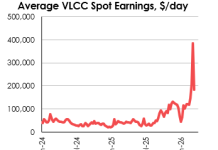
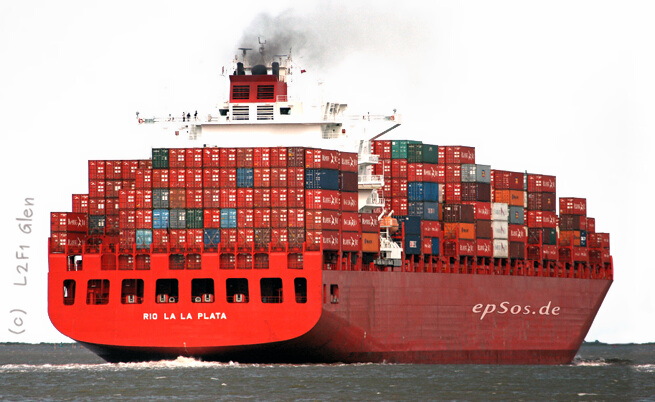
The global container shipping market is forecast to enter a phase of cyclical overcapacity, projected to peak in 2027 at levels last observed during the intense price wars of 2016. This is primarily attributed to a substantial increase in new vessel deliveries outstripping the growth in global trade demand. The resolution of the Red Sea crisis, expected by mid-2026, could further release significant capacity back into the market, intensifying this oversupply. Strategic decisions regarding vessel scrapping rates and potential impacts of ongoing trade conflicts add layers of uncertainty to this outlook.
Steel and Raw Materials: A Glut in Foundational Industries
The steel industry is grappling with persistent excess capacity, which is projected to rise to 721 million metric tonnes (mmt) by 2027. This figure significantly surpasses the combined steel production of OECD countries in 2024. The surge is driven by continuous capacity expansion, often supported by subsidies in several non-OECD economies, despite sluggish growth in global steel demand, particularly in China’s property sector. Chinese steel exports have notably increased, disrupting international markets and leading to a rise in anti-dumping measures.
Clean Energy & Battery Manufacturing: Green Tech’s Growing Pains
The clean energy sector, specifically solar and battery manufacturing, is experiencing significant overcapacity, predominantly driven by massive investments in China. This trend is expected to persist through at least 2027, leading to sharp declines in prices and considerable pressure on manufacturers’ profit margins. China accounted for approximately 76% of global clean-tech factory investments in 2024, consolidating its market share in these critical supply chains.
Robotics and AI Infrastructure: Innovation vs. Excess Capacity
China’s aggressive expansion in the robotics industry, fueled by state aid and robust capacity building, mirrors the trajectory seen in the solar sector, raising concerns about potential global overproduction and price erosion. In 2024, Chinese companies installed more industrial robots domestically than all foreign competitors combined, indicating a rapid shift in market dominance. Similarly, the burgeoning AI data center industry faces warnings of potential overcapacity if demand doesn’t keep pace with the rapid capital expenditure-driven supply growth. Experts suggest a “burst moment” could occur by mid-2026, where oversupply could significantly devalue newly built inference capacity.
Navigating the 2027 Peak: Challenges for SMEs
The coming overcapacity to peak in 2027 presents specific hurdles for small and medium enterprises. These challenges require foresight and strategic adjustments.
Price Wars and Margin Erosion
Intense competition stemming from oversupply often translates into aggressive price wars. For SMEs, which typically have narrower margins and less pricing power than larger corporations, this can be particularly damaging. Industries like container shipping and steel could see profitability further constrained as market participants vie for reduced demand.
Supply Chain Disruptions and Geopolitical Headwinds
While overcapacity might seem to imply an abundance of supply, geopolitical tensions and trade policy shifts continue to create supply chain volatility. Tariffs, like those on heavy-duty trucks or certain steel goods, can unpredictably alter sourcing costs and market access. SMEs need agile supply chains that can withstand these external pressures.
Talent and Technology Adaptation
The rapid advancements in technology, particularly in areas like AI and automation, can be a double-edged sword. While crucial for efficiency, the skills gap in areas like data science and AI specialists is projected to reach significant levels by 2027, posing recruitment and implementation challenges for SMEs seeking to adopt these innovations. Rising operational costs, including wages and equipment, further compound these pressures for smaller businesses.
Strategies for SME Resilience and Growth
Despite the challenges posed by the coming overcapacity to peak in 2027, SMEs possess inherent agility that can be leveraged for resilience and growth.
Embrace Niche Markets and Specialization
Instead of competing head-on in saturated markets, SMEs can identify and dominate niche segments where specialized products, services, or expertise are highly valued. This reduces direct competition and allows for better pricing power, even amidst broader overcapacity.
Optimize Operations and Costs
Focus on lean operations, waste reduction, and efficiency improvements. Implementing process automation, streamlining logistics, and negotiating favorable terms with suppliers can significantly bolster margins. Given the rise in operational costs, relentless cost management will be paramount.
Leverage Technology for Efficiency and Differentiation
Invest strategically in digital transformation and automation. While the AI infrastructure market might face overcapacity, the application of AI and other advanced technologies to improve internal processes, customer experience, or product innovation can create a significant competitive advantage. This includes better data analytics, customer relationship management (CRM) systems, and supply chain visibility tools.
Diversify Supply Chains and Market Reach
Reduce reliance on single suppliers or markets. Explore new geographical markets for both sourcing and sales to mitigate risks associated with regional overcapacity or geopolitical instability. China’s domestic demand stimulus, for example, could reduce export pressure in some sectors, opening up opportunities in other regions.
Conclusion
The prediction of coming overcapacity to peak in 2027 signals a critical period of adjustment for the global economy. For SME owners, this isn’t a time for complacency but for proactive strategy and agile execution. By understanding the specific industries affected, anticipating the challenges, and implementing robust strategies for specialization, operational excellence, technological adoption, and market diversification, your business can not only weather this economic shift but emerge stronger and more competitive. The ability to adapt quickly will be the hallmark of successful SMEs in the years to come